
High-stakes gambling The psychology behind risking it all at the casino
High-stakes gambling The psychology behind risking it all at the casino
The Allure of High-Stakes Gambling
The world of high-stakes gambling is often portrayed as glamorous, enticing players to risk substantial amounts of money in hopes of striking it rich. This allure is not just a surface-level appeal; it taps into deeper psychological factors such as thrill-seeking and the desire for status. Players often feel a rush of adrenaline when they place a large bet, making the experience exhilarating and almost euphoric. With so many options available, it’s easy to see why many are drawn to sites like Elitespin. The potential for large payoffs transforms an ordinary day into an extraordinary adventure, elevating the gambler’s mood and sense of self-worth.

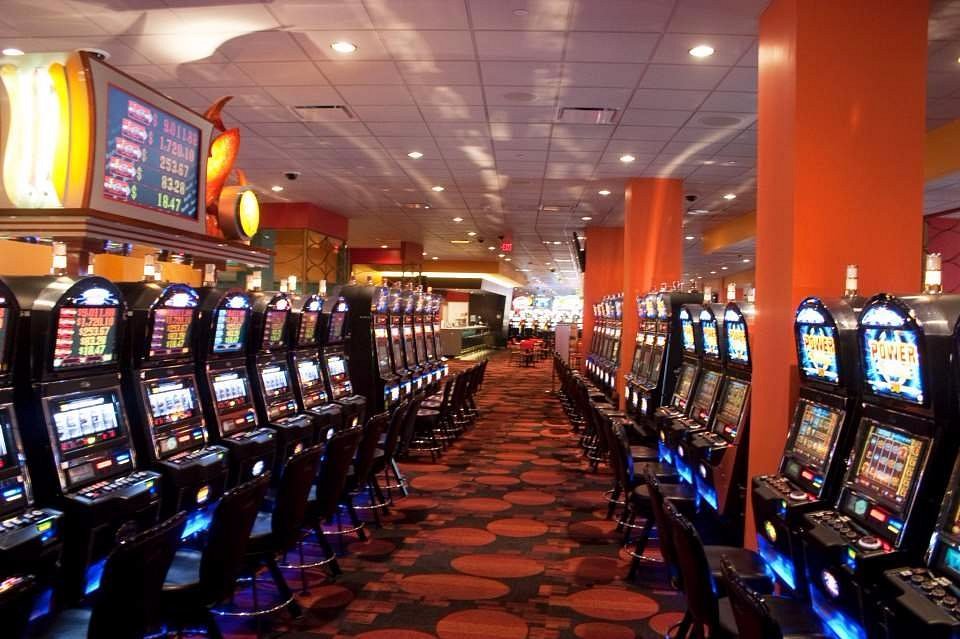
Moreover, the environment of a casino amplifies these feelings. The sounds of slot machines, the cheers of winning players, and the glitzy decor create a sensory overload that enhances excitement. High-stakes rooms often feature luxurious settings, exclusive services, and privacy, making the gambler feel important and part of an elite circle. This combination of sensory stimulation and social recognition often leads to a compulsive desire to return and gamble even more, despite the inherent risks involved.
The thrill is accompanied by a complex emotional cocktail, where hope, fear, and excitement intertwine. Gamblers frequently experience a state known as “loss aversion,” where the pain of losing money feels more intense than the pleasure of winning. This paradox often leads players to chase losses, placing even higher bets to recover their funds, which can spiral into a dangerous cycle of gambling behavior. The understanding of this psychological framework is crucial for both gamblers and those aiming to help them.
The Role of Cognitive Biases
Cognitive biases play a significant role in high-stakes gambling, influencing the decisions players make. One of the most common biases is the “illusion of control,” where gamblers believe they can influence the outcome of games of chance through skill or intuition. This belief can lead to reckless betting, as players overestimate their abilities and underestimate the randomness of games. For example, a poker player may think they can outsmart their opponents consistently, leading them to make larger bets than they should.
Another prevalent cognitive bias in gambling is the “gambler’s fallacy,” the misconception that past events affect the likelihood of future outcomes. A player might believe that a slot machine is “due” for a win after a series of losses, encouraging them to increase their stakes. Such thinking perpetuates a dangerous cycle where rational decision-making is overshadowed by misplaced beliefs about luck and chance. Understanding these biases can equip gamblers with better strategies to manage their behavior and make more informed decisions.
Furthermore, the concept of reinforcement learning plays a crucial role in the psychology of gambling. When players win, their brains release dopamine, the neurotransmitter associated with pleasure and reward. This chemical reaction reinforces the behavior of gambling, making players more likely to engage in high-stakes bets for the thrill of winning. Consequently, the cycle of reinforcement can lead to habitual gambling, where players find it challenging to walk away from the table even in the face of significant losses.
Social Influences in High-Stakes Gambling
Social dynamics are another influential factor in the psychology of high-stakes gambling. The camaraderie found in a casino setting can create a sense of belonging among players. High-stakes rooms often host regulars who share stories and strategies, creating a social network centered around gambling. This social validation can encourage new players to take risks they might otherwise avoid, driven by the desire to impress peers or fit in with a group.
The influence of social status cannot be overlooked either. In many cultures, wealth and success are often associated with gambling prowess. Players may feel pressure to display their financial capabilities by participating in high-stakes games, believing that large bets will elevate their status. This need for social recognition may lead individuals to gamble beyond their means, further complicating their relationship with money and risk.
Moreover, the rise of online gambling has introduced new social dynamics, such as virtual poker rooms and live dealer games. Players can now engage with others worldwide, fostering a unique blend of competition and community. However, this also opens up pathways for risky behavior, as the anonymity of online play can lead individuals to gamble without the same accountability they might feel in a physical casino. Understanding these social influences is crucial for grasping the full picture of high-stakes gambling psychology.
The Consequences of High-Stakes Gambling
The consequences of high-stakes gambling can be dire, affecting not just the individuals who gamble but also their families and communities. Financial losses are the most obvious outcome, which can lead to debt, bankruptcy, and significant stress for gamblers and their loved ones. This financial burden often leads to emotional distress, resulting in anxiety, depression, and strained relationships. The social stigma surrounding gambling can further complicate the situation, causing individuals to isolate themselves rather than seek help.
Additionally, the compulsive nature of high-stakes gambling can have devastating effects on a person’s mental health. Many gamblers find themselves trapped in a cycle of chasing losses, leading to increased stress and a sense of hopelessness. In severe cases, this can lead to destructive behavior, including substance abuse and self-harm. Recognizing these consequences is essential for developing effective interventions and support systems for those affected by gambling addiction.
Despite the risks, the appeal of high-stakes gambling remains strong. For many, it’s not just about money but the thrill, the chase, and the social experience that comes with it. Understanding the psychology behind these motivations and the potential consequences can empower both gamblers and those close to them to make more informed choices and prioritize mental health and well-being over the fleeting highs of gambling.
Explore the Thrills at EliteSpin Casino
At EliteSpin Casino, the excitement of high-stakes gambling is accessible to everyone, regardless of your experience level. Our platform provides a wide variety of games, from high-stakes poker to thrilling slot machines, all designed to create an immersive gaming experience. As a new UK player, you can benefit from an enticing Welcome Pack that offers up to £5,000 and 500 free spins, making it easier to dive into the world of online gaming.
Your safety is our priority, and we offer secure and diverse payment options, including crypto-friendly methods, to ensure your gaming journey is smooth and secure. The engaging atmosphere of our online casino, complete with live dealer experiences, mimics the excitement of a physical casino right from your home. By understanding the psychology behind gambling, we aim to create a responsible and enjoyable environment for all our players.
Join us today at EliteSpin Casino and embark on a thrilling adventure filled with top-notch games, enticing bonuses, and the chance to win big. Whether you’re seeking the thrill of high-stakes play or simply want to enjoy some casual gaming, our platform caters to your every need. Make your mark in the world of online gambling while prioritizing responsible play and enjoying every moment of the journey.
ბოლო კომენტარები